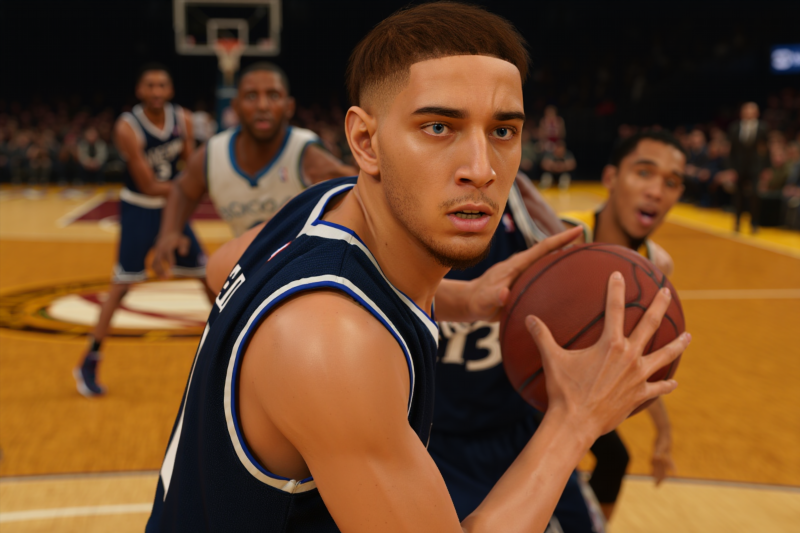
In modern basketball, the ability to read defenses and develop exceptional court vision is pivotal for advancing your game. Whether you’re an aspiring youth player, collegiate athlete, or professional contender, mastering these skills can dramatically influence your decision-making, scoring efficiency, and overall impact on the court. At HoopRidge, our focus is on performance-driven development—integrating tactical innovation, biomechanics, and game intelligence—so we understand what it takes to decode defenses and elevate player performance. In this article, we will explore proven strategies to improve court awareness, interpret defensive rotations, and make smarter decisions in real-time.
Why Building Court Vision Matters
The Power of Spatial Awareness
Court vision is more than just seeing the ball; it encompasses an understanding of the spatial layout of the court, teammates, opponents, and current game flow. Enhanced court awareness:
- Facilitates quick recognition of open teammates for effective passing
- Helps anticipate opponents’ defensive movements
- Improves decision-making under pressure
- Opens up scoring opportunities by reading defensive gaps
The Impact of Reading Defensive Schemes
Understanding defensive schemes—such as man-to-man, zone, or hybrid defenses—allows players to exploit weaknesses and create scoring opportunities. Developing this skill:
- Enables anticipatory passes before defenders shift
- Increases the effectiveness of offensive actions
- Builds confidence in executing plays under complex defensive pressures
Proven Strategies to Improve Court Vision and Defensive Reading
1. Study Comprehensive Film Analysis
How it helps: Regularly reviewing game footage sharpens your ability to recognize defensive patterns and cues.
Practical steps:
- Watch high-level games focusing on defensive positioning
- Identify common defensive rotations and rotations initiated by specific offensive actions
- Pause and analyze why defenders shift and how offensive players exploit these movements
2. Practice Situational Drills with Progressive Complexity
How it helps: Repetitive but varied drills build instinct for reading defenses under different game scenarios.
Drills include:
- 3-on-3 Half-Court Scrimmages: Focused on reading defensive rotations and making quick decisions
- Read and React Drills: Players react to coach’s commands simulating defensive schemes
- Decision-Making with Distractions: Incorporate defensive fakes or shift cues to simulate real game conditions
3. Enhance Biomechanics and Shooting Science Understanding
Why it matters: Knowledge of biomechanics can improve your ability to anticipate opponent movements based on their body language and posture, providing cues for defensive shifts.
Application:
- Recognize when a defender is about to switch or hedge based on their stance
- Use biofeedback techniques to improve your own athlete positioning for optimal court awareness
4. Master Defensive Recognition and Rotation Patterns
Common defensive schemes include:
- Man-to-Man Defense: Watch for hand and eye cues indicating switches
- Zone Defenses (2-3, 3-2, 1-3-1): Recognize zone shifts through player spacing and movement
- Hybrid Defenses: Be alert for combinations of zone and man principles
Tips:
- Pay close attention to defensive rotations during pick-and-roll situations
- Notice how defenders close out on shooters or collapse into the paint
Enhancing Decision-Making Through Cognitive Mechanics
Applying Spatiotemporal Awareness
Understanding when and where a defender will move requires perceptual acuity. Use cues such as:
- Defensive stance changes
- Footwork patterns
- Body orientation of defenders
Developing Pattern Recognition Skills
Memorizing common defensive rotations helps you anticipate rather than react, giving you a split-second advantage.
How HoopRidge Supports Elite Player Development
At HoopRidge, we combine sports science, biomechanics, and game intelligence to decode offensive structures and defensive schemes. Our approach includes:
- Data-backed insights into game tactics
- Biomechanics analysis to optimize movement and decision-making
- Tactical innovation through scenario-based training
- Youth and professional development programs that turn basketball into a systematic approach
FAQ: How Can I Start Improving My Court Vision Today?
| Question | Answer |
| How long does it take to see improvements? | With consistent practice, noticeable improvements can occur within a few weeks. Focused film study and drills accelerate progress. |
| Are there specific exercises to improve defensive reading? | Yes. Incorporate situational drills, close-out replays, and live scrimmages emphasizing defensive rotations. |
| Can mental training enhance court awareness? | Absolutely. Visualization, mindfulness, and decision-making exercises help sharpen perception and reaction times. |
Final Thoughts
Building court vision and reading defensive schemes involves a combination of film study, situational practice, biomechanics understanding, and cognitive training. By integrating these strategies into your routine, you’ll develop heightened spatial awareness, faster recognition of defensive patterns, and smarter decision-making—transforming you into a game-changing player.
Remember, basketball is a system—at HoopRidge, we empower players to decode this system to unlock their full potential. Start implementing these strategies today and take a decisive step towards becoming a smarter, more effective basketball player.
Ready to elevate your game? Explore HoopRidge’s performance-driven training programs to master offensive innovation and defensive recognition. Contact us now and turn your court awareness into a game-winning advantage.